Simple Trench and Shoring Safety Tips
Working in trenches is common on construction and utility jobs. But trenches are also some of the most dangerous places to work. Cave-ins, heavy equipment, and hidden gases can lead to serious injuries or even death. The good news is that you can prevent most accidents by following a few key safety steps and using the right protective systems.
Always Use Protection in Trenches
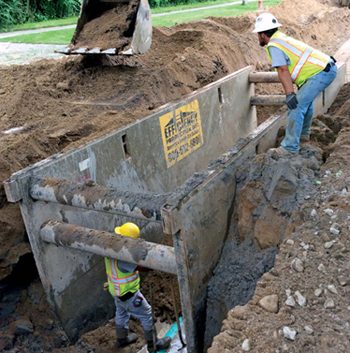
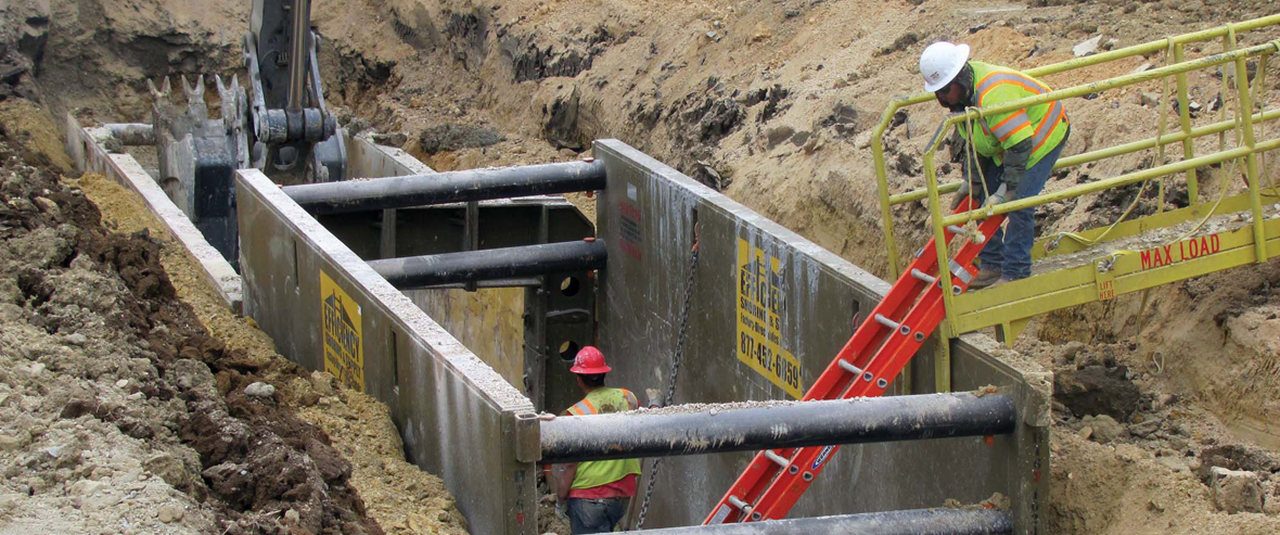
Many trench accidents happen because the walls are not supported. You should always use one of these protective methods:
- Sloping: Angle trench walls back from the excavation.
- Benching: Cut steps into the sides of the trench.
- Shoring: Add supports, such as hydraulic or aluminum frames, to stop soil movement.
- Shielding: Use trench boxes or shields to protect workers from cave-ins.
Basic Trench Safety Rules
- Never go into a trench without protection.
- Keep soil piles and equipment at least 2 feet from the edge.
- Locate and mark all underground utilities before digging.
- Test air in trenches for gases, fumes, or low oxygen.
- Do not let anyone work under a suspended load.
- Use protection for any trench 5 feet deep or more (unless in solid rock).
- Trenches over 20 feet deep must be designed by an engineer.
- Give workers a safe way out within 25 feet at all times.
Inspect Trenches Every Day
A trained and authorized person must inspect trenches before each shift, after rain, or whenever conditions change. This person must be able to spot hazards and fix them right away. Daily inspections keep workers safe and prevent accidents.
Rent Trench Safety Equipment from The Cat® Rental Store
Protective systems save lives, but they can be expensive to buy. The Cat® Rental Store rents trench boxes, hydraulic shoring, and other protection systems that meet strict safety rules. Renting makes it easy to get the right gear when you need it without paying the full purchase cost.
Find a Cat Rental Store location near you to explore trench safety rentals.
Trench Safety FAQs
Q: How deep can a trench be without protection?
A: Any trench 5 feet or deeper must be protected unless it’s in solid rock.
Q: Who inspects trenches?
A: A person who is trained to find hazards and is authorized to fix them needs to inspect trenches daily.
Q: How do you stop a trench cave-in?
A: Use sloping, shoring, or shielding to keep soil from collapsing.
Find a CAT Rental Store Near You